
Packing Service
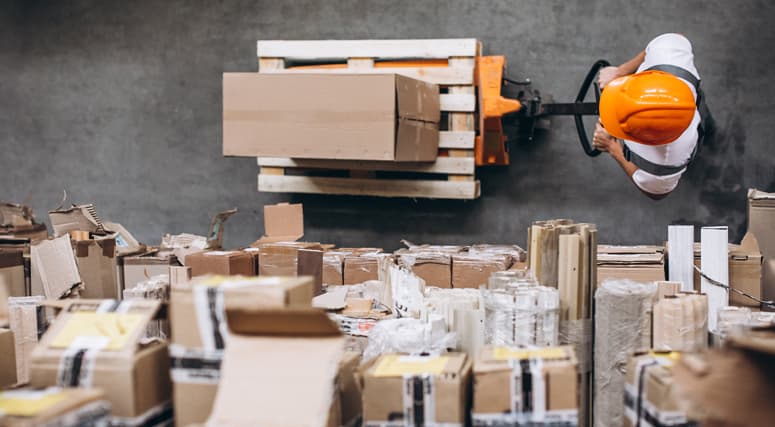
Expert Packing Through Verified Partners
Good packing is what decides whether a move feels smooth—or turns into weeks of frustration. In real moves, most damages don’t happen on the road. They happen because items were packed in a hurry, with weak boxes or the wrong technique.
Through 1Support’s verified partner network, you get access to trained packing professionals who use tested methods and proper materials, developed from years of handling household relocations across different cities and conditions.
What Professional Packing Actually Involves
Room-by-Room Packing (Not Random Boxing)
Professional teams don’t mix items from different rooms or pack everything together. Packing is done systematically, one space at a time, which makes unpacking far easier later.
Typically:
- Kitchens are packed with extra cushioning and dish protection
- Bedrooms include furniture, mattresses, and clothing separation
- Living rooms focus on electronics, décor, and soft furnishings
- Bathrooms are packed carefully to prevent leaks and breakage
- Home offices are handled with file safety and equipment labeling
- Garages and outdoor items are packed last due to size and dust
This approach keeps things organized and reduces missing or misplaced items.
Quality Packing Materials (This Is Where Most DIY Packing Fails)
From experience, reused or weak cartons are the biggest reason items get damaged in transit. Professional packing uses commercial-grade materials only, not leftover boxes.
Boxes Used
- Multiple sizes to balance weight properly
- Double-wall cartons for books and heavy items
- Clean, undamaged boxes only
Protective Materials
- Bubble wrap for fragile items
- Packing paper to prevent scratches
- Furniture, blankets, and padding
- Stretch wrap for sofas and mattresses
- Foam guards for sharp corners
Specialized Packing
- Wardrobe cartons for hanging clothes
- Dish-pack boxes with dividers
- Mirror and picture cartons
- Mattress covers for hygiene
- Custom wooden crating for valuables
Using the right material often prevents damage completely.
Item-Specific Packing Techniques
Different belongings need different handling. Experienced packers adjust their methods based on fragility, weight, and shape, rather than using one method for everything.
- Fragile Items: Each piece is wrapped individually, cushioned properly, and placed in boxes that are clearly marked and never overloaded.
- Electronics: Where possible, original cartons are used. Cables are bundled and labeled, and photos are taken before disconnection to make setup easier later.
- Furniture: Large items are dismantled only when necessary. All parts are labeled, surfaces are wrapped, and fittings are sealed in marked bags to avoid confusion during reassembly.
- Clothing & Personal Items: Hanging clothes are moved using wardrobe cartons, while folded garments go into clean, dry boxes. Shoes are wrapped separately to prevent damage.
- Books & Important Documents: Packed in small boxes to control weight, kept flat to protect spines, and separated so essential papers remain easy to access.
- Kitchen Items: Plates are packed vertically, glassware is wrapped individually, sharp items are secured safely, and appliances are protected from scratches and dents. Kitchen packing usually takes the most time—and that’s intentional.
Why Professional Packing Makes a Real Difference
Professionally packed items:
- Break far less often
- Load and unload faster
- Are easier to track during the move
- Reduce unpacking time significantly
Most importantly, proper packing removes stress and uncertainty from moving day.
Types of Packing Services Available
Different moves need different levels of packing support. Some customers want everything handled, while others prefer to pack personal items themselves. Based on real relocation scenarios, packing services are usually offered in the following formats:
Full Packing Service
This is the most hands-off option and is commonly chosen by families, working professionals, and businesses with tight timelines.
With full packing:
- The packing team handles the entire household or office
- All cartons, protective materials, and supplies are included
- Packing is done room by room with clear labeling
- A complete inventory is prepared for tracking
- The process is fast and requires minimal involvement from you
This option works best when time is limited or when you want maximum protection with zero packing stress.
Partial Packing Service
Many customers prefer a balanced approach—packing some items themselves while leaving complex items to professionals.
Typically:
- You pack personal belongings like clothes or documents
- Professionals handle fragile, bulky, or difficult items
- Costs are lower than full packing
- You retain control over sensitive personal items
This is a popular, cost-effective option that still reduces risk and workload.
Fragile Items Packing Only
Some items need special handling regardless of who packs the rest of the house.
This service focuses on:
- Glassware, crockery, and décor items
- Artwork, antiques, and collectibles
- Electronics and sensitive equipment
- Musical instruments
- High-value items requiring custom wooden crating
Fragile-only packing is ideal when you want expert protection without full-service packing.
Packing Materials Only (DIY Option)
For customers who prefer to pack on their own but want better protection than local store supplies offer.
This option allows you to:
- Purchase professional-grade boxes and materials
- Get the right mix of cartons, bubble wrap, tape, and paper
- Receive guidance on quantities based on home size
- Pack at your own pace without labor charges
No packing manpower is included—only materials and advice.
Why Professional Packing Is Worth Considering
Reduced Risk of Damage
From experience, professionally packed items are far less likely to break or scratch. Trained packers understand weight distribution, cushioning techniques, and carton selection that DIY packing often misses.
Significant Time Savings
Packing always takes longer than people expect.
On average, professional teams complete packing in:
- 1 BHK: 2–4 hours
- 2 BHK: 4–6 hours
- 3 BHK: 6–8 hours
- Larger homes: A full day or more
Compared to days—or even weeks—of DIY packing, this saves enormous time and effort.
Correct Materials, No Guesswork
Professionals bring exactly what’s required for your inventory. There’s no running out of boxes halfway through or overbuying materials you don’t need.
Insurance & Claim Eligibility
Many relocation insurance policies require professional packing for claims related to damaged goods. Improper or self-packing can weaken or invalidate claims—something many people discover too late.
Better Organization at Destination
Clear labeling and inventory systems ensure boxes are placed in the right rooms. This makes unpacking faster and avoids confusion after delivery.
Packing Service Pricing: What Affects the Cost
Packing costs usually include both labor and materials, and pricing varies based on several practical factors.
Common factors include:
- Size of the home or office
- Number of fragile or high-value items
- Furniture that needs dismantling
- Quantity of packing materials required
- Time and manpower involved
How Pricing Is Structured
Depending on the move, pricing may be offered as:
- Per-room rates
- Per square foot pricing
- Hourly labor plus material cost
- Flat packages for full-service packing
There’s no one-size-fits-all rate.
Best practice: Always get a detailed estimate after an inventory assessment. This ensures accurate pricing with no surprises later.
How the Packing Process Works
Professional packing follows a clear sequence. Skipping steps or rushing the process is where most problems begin, so experienced teams stick to a structured workflow.
- Initial Assessment
Before packing starts, the partner reviews the items that need to be packed. This helps estimate the right quantity of materials and the time required, especially for fragile or bulky goods. - Packing Material Delivery
All cartons, wrapping material, and protective supplies are delivered in advance. This avoids delays and ensures packing can begin smoothly on the scheduled day. - Systematic Room-by-Room Packing
Packing is done one room at a time, using different techniques for furniture, fragile items, electronics, and general household goods. This method keeps everything organized and easier to unpack later. - Clear Labeling
Every box is labeled with its destination room and a general description of the contents. This simple step saves hours during unloading and setup. - Inventory Preparation
A detailed inventory is prepared, listing cartons and major items. This is important for tracking, verification, and insurance purposes. - Final Walkthrough
Once packing is complete, a final check is done to confirm that nothing is left unpacked and all cartons are properly sealed and labeled.
Practical Packing Tips If You’re Packing Yourself
Some people prefer to handle packing on their own. If that’s your plan, following professional practices can prevent damage and confusion later.
Start Earlier Than You Think
Packing always takes longer than expected. Begin at least 4–6 weeks before moving day to avoid last-minute stress.
Pack One Room at a Time
Finish packing an entire room before moving to the next. This keeps items grouped correctly and makes unpacking much easier.
Choose the Right Box Size
Using the wrong carton size is a common mistake:
- Small boxes work best for heavy items like books or tools
- Medium boxes are ideal for kitchen items and small appliances
- Large boxes should be used only for light, bulky items such as pillows or linens
Label Every Box Clearly
Write the room name and general contents on multiple sides of each box. Clear labels reduce unloading errors at the destination.
Protect Fragile Items Properly
Wrap fragile items individually, fill empty spaces inside cartons, and mark boxes as fragile on all visible sides.
Avoid Overloading Boxes
Leave enough space for cushioning and keep boxes under 20 kg to prevent breakage and lifting injuries.
Keep Essentials Separate
Pack a separate box for items you’ll need immediately after arrival—documents, toiletries, chargers, and basic supplies.
Document Valuables
Take photos of expensive items before packing. This helps with verification and insurance claims if required.
Common Packing Questions
How close to my move should packing be done?
For most homes, packing is completed 1–2 days before loading day. Smaller moves may be packed on the same day as loading.
Can I pack some items myself?
Yes. Partial packing is very common. Discuss in advance which items you’ll pack and which the professionals will handle.
What items should not be packed?
Hazardous materials such as paint, chemicals, and aerosols are not allowed. Perishable food, important personal documents, and valuables should also be carried by you.
Do movers unpack at the new location?
Many partners offer unpacking services at an additional cost. This can be arranged during booking.
How is damage to fragile items handled?
Coverage depends on the insurance selected and whether professional packing was used. Always confirm insurance terms before packing begins.
Get Professional Packing Services
Ready to protect your belongings with expert packing? Connect with verified packing professionals who use quality materials and proven techniques.
Questions? Call +91-9580367912 or +91-8564045865
Get a Free Estimate
Company
Services
©2026 1Support. All Rights Reserved.